Ginghart Script: Balancing Retro Charm with Modern Design Needs
When you are building a visual identity, the typography you select does more than just display words; it sets the emotional tone for the entire project. While minimalist sans serif fonts have dominated web design for the last decade, there is a massive shift happening. Designers and brands are looking for warmth, personality, and a human touch. Enter Ginghart Script. This isn't just another handwritten font; it is a carefully crafted script font that bridges the gap between nostalgic retro vibes and clean, contemporary aesthetics.
For designers, entrepreneurs, and content creators, finding a typeface that feels authentic can be challenging. You want something that stands out, but you also need something functional. Ginghart Script offers a solution with its medium contrast strokes and playful character. It captures the essence of vintage signage and classic publishing but renders it with a precision that makes it suitable for modern digital screens. If you have been searching for a premium font to elevate your next project, understanding the nuances of this typeface is the first step toward creating something spectacular.
The Anatomy of a Versatile Typeface
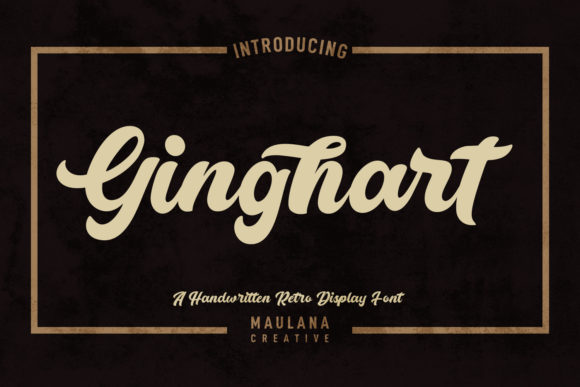
At first glance, Ginghart Script feels familiar. It evokes the feeling of opening a dusty sketchbook or finding a beautifully written letter in an attic. However, look closer, and you will see the technical precision that makes it a powerful design asset. The "medium contrast" mentioned in its description is crucial here. Unlike high-contrast calligraphy fonts that can look jagged on low-resolution screens, or monolinear fonts that can sometimes feel flat, Ginghart strikes a balance. The thick and thin strokes vary enough to create rhythm and movement, but not so much that the text becomes illegible at smaller sizes.
The personality of the font is undeniably fun. It avoids the stiffness of formal cursive scripts. Instead, it leans into a retro aesthetic that feels optimistic and energetic. This makes it an exceptional choice for brand identity work where you need to convey approachability. It is the kind of creative font that makes a logo feel like it has a story to tell. The included ligatures and alternates are where the magic really happens, allowing you to swap out characters so that repeated letters don't look identical, mimicking the natural variation of actual handwriting.
Strategic Applications: Where to Use Ginghart Script
Knowing a font exists is one thing; knowing how to deploy it effectively is another. Because Ginghart Script is so stylistically distinct, it requires a strategic approach. It is not a workhorse body copy font; rather, it is a star player meant for headlines, logos, and focal points.
Elevating Brand Identity and Logo Design
For small business owners and entrepreneurs, your logo is often the first handshake with a potential customer. If you run a boutique, a bakery, a lifestyle blog, or a creative agency, Ginghart Script can provide that "artisan" quality instantly. In logo design, the font works beautifully as a primary mark or paired with a sturdy serif font or geometric sans serif font for the tagline. The retro style suggests heritage and reliability, while the fun characters keep the brand from feeling stuffy. It tells your audience that you care about aesthetics and that your brand has a distinct voice.
Packaging and Editorial Design
Physical products rely on shelf appeal. In packaging design, typography needs to be readable from a distance but interesting enough to invite a closer look. Ginghart excels here, particularly for food and beverage labels, cosmetics, or stationery. Its medium stroke weight ensures it holds up well in print. Similarly, in editorial design—think magazine headers, chapter titles, or pull quotes—this script font adds a layer of sophistication. It breaks up the monotony of standard text layouts and guides the reader's eye to the most important information.
Digital Presence and Social Media
In the fast-paced world of social media graphics, grabbing attention in the split second a user scrolls past is vital. Ginghart Script is perfect for Instagram quotes, Pinterest pins, and YouTube thumbnails. Its retro flair cuts through the noise of generic corporate typography. However, when applying it to web design, moderation is key. Use it for hero section headlines or "About Me" section introductions, but pair it with a highly legible sans serif font for body text to ensure accessibility and readability for all users.
Mastering the Details: Readability and Hierarchy
A common pitfall with script fonts is sacrificing readability for style. Ginghart Script manages to maintain legibility through its thoughtful spacing and character construction, but you still need to apply it with care. Visual hierarchy is about leading the viewer's eye through the content in the order you want them to see it.
Because Ginghart is a display font, it commands attention. Therefore, it should be reserved for the "H1" or "H2" elements of your design. If you use it for everything, the design will feel chaotic and the eye will have nowhere to rest. Use it to highlight keywords or short phrases. For example, in a wedding invitation or a promotional flyer, use Ginghart for the names or the offer details, and use a clean modern typography style for the date, time, and location details. This contrast creates a professional look that is both dynamic and easy to parse.
Practical Guide: Pairing and Licensing
To get the most out of Ginghart Script, you need to treat it as part of a typographic ecosystem. Choosing the right partner font is essential. Because Ginghart has a retro, medium-contrast style, it pairs exceptionally well with fonts that offer stability.
- Sans Serif Pairings: A geometric sans serif (like Montserrat or Futura) creates a beautiful "old meets new" contrast. The clean lines of the sans serif allow the curves of Ginghart to shine without overwhelming the layout.
- Serif Pairings: If you want a fully vintage feel, pair it with a transitional serif font (like Baskerville or Georgia). This works well for book covers or high-end branding.
- Testing Ligatures: Before finalizing your design, ensure you test the ligatures. If you have two letters that look awkward next to each other, swap in an alternate character. This manual fine-tuning is what separates amateur work from professional typography.
Finally, a note on logistics. If you are using this for a client or a business venture, ensure you are looking at the commercial font license. While free fonts are tempting, a premium font like Ginghart usually comes with licensing that covers commercial use, ensuring you are legally protected for your brand identity and merchandise. Always read the license agreement to understand where and how you can deploy the typeface.
Final Thoughts on Creative Exploration
Ginghart Script is more than just a collection of vectors; it is a tool for storytelling. Its ability to blend retro charm with modern clarity makes it a valuable addition to any designer's library. Whether you are crafting a logo for a new startup, designing a menu for a local café, or creating engaging social media graphics, this font provides the versatility and personality needed to connect with your audience. Don't be afraid to experiment with its alternates and push the boundaries of your layouts. Great design often comes from the unexpected combinations of style and function.