Deadhead Script: A Brush-Lettering Typeface with Real Soul
More Than Just a Pretty Script Font
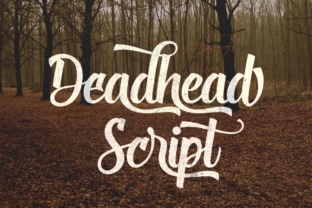
You’ve seen them everywhere—the script fonts that look nice in previews but fall flat in practice. Deadhead Script isn’t one of those. It’s a premium font that feels like it was actually made by a human hand, not algorithmically assembled from smooth, lifeless curves. That’s the difference you notice the moment you start using it. The strokes have a natural, brushed rhythm, with just enough texture and variation to feel authentic. It doesn’t scream for attention; it earns it with quiet confidence.
What makes Deadhead Script stand out in a crowded market of script fonts is its balance. It’s playful without being childish, elegant without being stuffy. The letterforms have a modern typography sensibility—clean enough for contemporary design but with a handmade warmth that digital fonts often lack. Whether you’re working on a logo design for a new coffee brand or crafting social media graphics for a boutique, this typeface brings a level of craft that feels intentional and personal.
Where This Creative Font Truly Shines
Let’s talk practical applications. Deadhead Script excels in projects where you need to inject personality without sacrificing clarity. Think packaging design for artisanal goods—coffee bags, candle labels, craft beer bottles. The font’s brush-like character instantly communicates handmade quality and attention to detail. It’s the kind of typeface that makes a product feel curated, not mass-produced.
For entrepreneurs and small business owners, Deadhead Script can become a cornerstone of your brand identity. Use it for your logo, business cards, or website headers. It pairs surprisingly well with clean sans serif fonts for body text, creating a visual hierarchy that feels both professional and approachable. Imagine a bakery’s menu or a wedding invitation suite—the script adds that touch of warmth and celebration that makes the design memorable.
Digital applications are where many script fonts stumble, but Deadhead Script holds up. It’s readable at reasonable sizes for web design headlines, email banners, or social media quotes. I’ve used it successfully in Instagram graphics and Pinterest pins where a handwritten font needed to feel premium rather than amateurish. The key is using it strategically—not for paragraphs of text, but for impactful phrases and calls to action where its personality can really land.
Pairing and Practical Considerations
Choosing the right font pairing is where many designers get stuck. With Deadhead Script, think contrast. Pair it with a sturdy serif font for traditional projects or a geometric sans serif for modern ones. The script should be the star—use it for headlines, logos, or key phrases—while your secondary font handles the heavy lifting of body copy. Test your pairings at actual size to ensure they work together visually, not just in theory.
When evaluating whether Deadhead Script fits your project, consider the audience and context. It’s perfect for brands targeting adults 20-50 who appreciate craftsmanship—think specialty coffee, boutique fashion, artisan foods, or creative services. It might not suit a law firm or a tech startup aiming for ultra-minimalist aesthetics, but for most lifestyle, creative, and hospitality brands, it hits the right note.
Always review what’s included with your commercial font purchase. A quality typeface like Deadhead Script typically comes with multiple styles—perhaps alternate characters, ligatures, or swashes that give you more creative control. Check the licensing terms too. If you’re using it for client work or commercial products, ensure the license covers that use. A premium font is an investment in your design assets, and proper licensing protects both you and your clients.
Making It Work for Your Brand
Consistency is where a typeface like Deadhead Script proves its worth. Once you integrate it into your brand identity—across your website, packaging, marketing materials, and social media—it becomes a recognizable element that ties everything together. That consistency builds professionalism and trust with your audience. They start to associate that distinctive brush-lettered style with your brand’s personality and values.
Don’t underestimate the power of visual hierarchy in your designs. Deadhead Script naturally draws the eye, making it perfect for highlighting key messages. In editorial design, use it for pull quotes or section headers. In advertising, it can make a call to action feel personal and urgent. The font’s inherent expressiveness does half the work for you—you just need to place it strategically.
For content creators and bloggers, this typeface can elevate your visual storytelling. Imagine your blog headers, newsletter graphics, or ebook covers with that hand-lettered touch. It makes your content feel more crafted and intentional, which can increase audience engagement and perceived value. In a world of generic templates, a distinctive font helps you stand out and build recognition.
Ultimately, Deadhead Script is a design tool that respects both the creator and the audience. It doesn’t try to be everything—it’s a specialized script font that does what it does exceptionally well. When you need that blend of modern typography awareness with genuine handmade appeal, it’s worth serious consideration. Test it out, see how it feels in your specific context, and let the font’s character guide your creative decisions. Sometimes the right typeface doesn’t just complete a design—it elevates it.