Blueberry Script: A Font That Balances Charm and Elegance
Understanding the Personality of a Handwritten Typeface
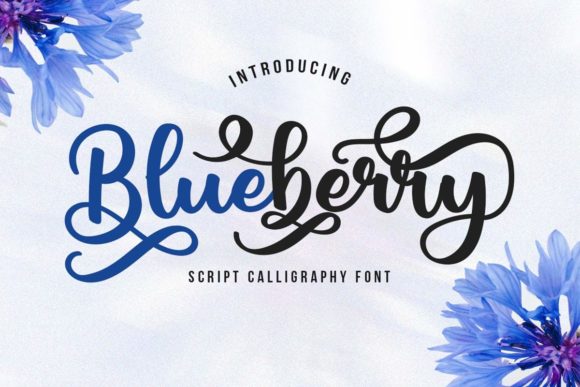
When you first see Blueberry Script, the immediate impression is one of fluid, graceful motion. It’s not just another script font; it carries a distinct personality that feels both intimate and polished. The letterforms exhibit a natural, slightly varied baseline and stroke weight, mimicking the authentic look of hand-lettering. This is a premium font designed to avoid the sterile, perfect lines of digital text, instead offering the warmth of a human touch. The swashes and alternate glyphs are where its true handwritten font character shines, adding flourishes that can be subtle or dramatic depending on the context. It’s this versatility in personality—from casual to formal—that makes it a valuable asset in any designer's toolkit. The overall appeal lies in its ability to communicate sincerity and creativity without sacrificing legibility.
Where Blueberry Script Truly Excels in Real Projects
Choosing the right typeface for a project is about matching the font’s voice to the message’s intent. Blueberry Script finds its sweet spot in applications where a personal, crafted feel is paramount. For wedding invitations, it sets a tone of romance and bespoke elegance. On thank you cards or greeting cards, it conveys genuine warmth and appreciation. In the realm of logo design, it works exceptionally well for brands in the artisanal, boutique, beauty, or lifestyle sectors—think a local bakery, a custom jewelry maker, or a wellness retreat. It injects personality into business cards and stationery, making a small business feel approachable and memorable.
Beyond print, its utility extends into digital design and social media graphics. It can make Instagram quotes, promotional banners, or email headers stand out with a touch of handwritten charm. For packaging design, especially for gourmet foods, cosmetics, or craft beverages, it helps tell a story of quality and care. Editorial design projects, like magazine feature titles or blog post headers, also benefit from its visual interest. However, it’s crucial to recognize its limits. As a display font, it’s not intended for long blocks of body text. Its strength is in headlines, pull quotes, and accent text where its detailed letterforms can be appreciated without hindering reading speed.
The Practical Impact on Brand Perception and Engagement
A font is a silent ambassador for a brand. The choice of Blueberry Script over a standard sans serif font or serif font sends a clear signal. It suggests a brand identity that values creativity, individuality, and a human connection. This can significantly influence audience engagement; a thoughtfully chosen script can draw the eye and create an emotional resonance that generic fonts cannot. It contributes to visual hierarchy by providing a strong, stylistic contrast to plainer companion fonts, guiding the viewer’s attention to key messages.
However, this influence must be managed with care. Overuse can dilute its impact and harm readability. A logo set entirely in a flowing script might be beautiful but difficult to decipher at a small size, like on a favicon. The key is balance. Using it for a primary wordmark while pairing it with a clean, neutral sans serif font for body copy creates a professional and readable system. This approach maintains brand consistency across all touchpoints, from a website to a printed brochure, ensuring the brand is both recognizable and accessible.
A Guide to Selecting and Using This Creative Font
Before integrating Blueberry Script into your project, a practical evaluation is essential. Start by testing it with your specific copy. How does it look with your brand name? Does the flow of the letters complement the word’s structure? Pay close attention to the font pairing. A highly expressive script like this pairs best with something restrained. A geometric sans serif or a classic serif with simple forms often creates a harmonious and professional contrast. Avoid pairing it with other decorative or highly detailed fonts, as this leads to visual clutter.
Examine the font package thoroughly. The note that it is PUA encoded is significant—it means all the stylistic alternates and swashes are accessible via standard character maps in most software, making customization straightforward. Review the different styles or weights included, if any, as they can offer additional flexibility. Finally, consider the licensing. Since this is a commercial font, ensure your intended use—whether for a client project, merchandise for sale, or unlimited print runs—is covered by the license you purchase. For designers and small business owners, investing in a well-crafted script font like this is an investment in distinct brand identity and creative potential, adding a valuable piece to your library of design assets for years to come.